
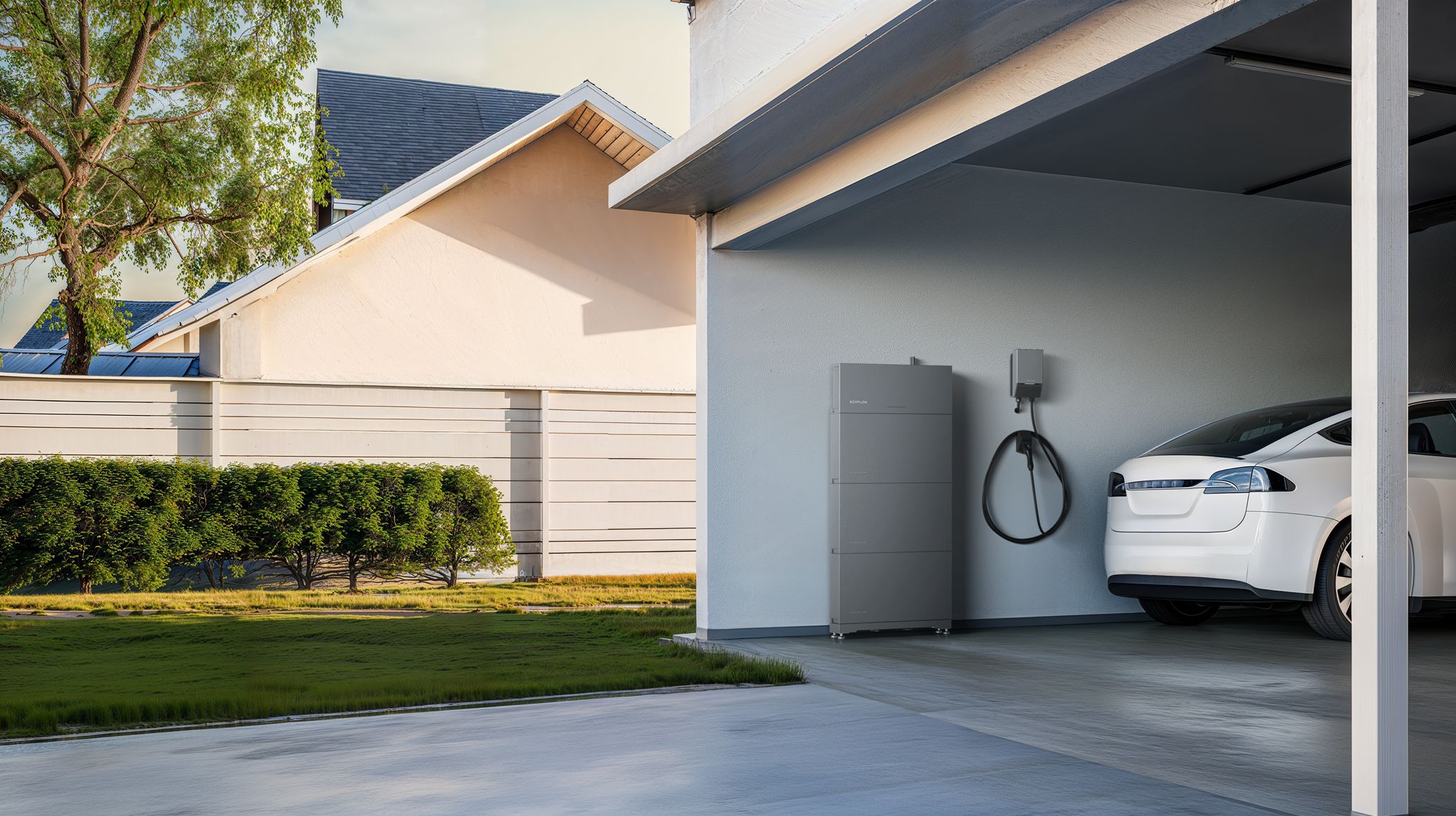
Battery Storage in Scotland.
Battery Storage In Scotland: Costs, Savings And Realistic Run‑Times
Thinking about installing a home battery in Scotland and wondering what it really costs, how much it saves, and how long it will run your home? This guide explains typical sizes, pricing, and real-world performance for Scottish households. You will see how time-of-use tariffs work, what to expect in winter versus summer, and whether adding a battery to existing Solar PV is worth it.
What is home battery storage?
A home battery stores electricity so you can use it later. You can fill it with your own solar generation or charge it from cheap off-peak rates, then use that stored energy during peak times making huge savings. Most battery systems are installed outside and with a compact battery and inverter, blend into the environment. Many set-ups include an app that shows charge levels, savings, and lets you schedule charging for off-peak periods.
Typical battery sizes for Scottish homes.
5 kWh, suits small homes or flats with low to moderate evening use.
7 to 10 kWh, the most common range for a typical 2 to 4 bedroom home.
13 to 15 kWh, for larger households or where you want to cover longer evening peaks and occasional backup.
How much does battery storage cost in the UK?
For residential systems in Scotland, broad guide pricing including supply and install typically sits in these ranges:
5 kWh home battery storage, from around £3,500 to £5,000 depending on brand, inverter type, and installation complexity.
7 to 10 kWh, from around £4,500 to £7,000.
13 to 15 kWh, from around £6,500 to £9,000.
These are guide figures. Actual pricing depends on equipment choice, cable runs, whether your consumer unit needs upgrades, and whether scaffolding or external works are required and more importantly, what infrastructure the company installing has behind them. The Greener Roof Co provides free estimates so you can get project specific costs, and can offer finance from 6.9%, to be confirmed at your survey.
How time-of-use tariffs create savings
Smart tariffs usually divide the day into price windows. You can chose to charge your battery up overnight at a low rate, then use that energy during the morning and evening peak times when prices then rise. If you already have Solar PV, the battery soaks up surplus generation during the day, then covers your evening use.
Key points:
- Off-peak charging, fill your battery when electricity is cheapest.
- Peak shaving, discharge during the expensive morning and evening slots.
- App control, many systems let you set charge and discharge times to match tariff windows.
- Even without solar, a battery can reduce bills by shifting usage away from high-rate periods. With solar, you add the benefit of capturing daytime generation that would otherwise be exported at a lower rate.
How long will a 10 kWh battery power a house?
In a typical Scottish home during the evening, expect around 4 to 7 hours. If you are very efficient and avoid heavy appliances, you could stretch it. If you cook, tumble dry and run an electric shower, it will be shorter.
Winter versus summer, what daily life looks like
On a winter day, it has less hours of daylight and higher use. Often you will charge overnight on a cheap tariff, top up a little from any midday solar, then discharge through the evening peak. Typically a 7 to 10 kWh battery often covers the busy 4 pm to 9 pm window, however larger batteries help push coverage later into the night.
On a summer day, it has more daylight hours and lower heating demand. Your Solar PV may fill the battery by late morning or early afternoon. You then run the home through the evening from stored solar and might still hold charge for the following morning peak. Export may still occur if your battery fills and use is low.
Is battery storage worth it in Scotland?
For many Scottish households, the answer is yes, even without solar, the savings can be significant using time of use tariffs, however when combined with Solar PV it Savings can be very attractive. You can lower bills by shifting consumption away from peak prices and by using more of your own solar. Payback varies with your tariff, system size, and usage profile. If you are on a standard flat tariff with very low consumption, the case is weaker. If you have higher evening use, work from home, or own an EV, the case strengthens.
Is it worth adding a battery to existing solar panels?
Often, yes. Without a battery, a lot of solar generation is exported during the day when you are not home. A battery captures that surplus so you can use it in the evening. You will still be able to export on very sunny days when the battery fills, gaining another income, but overall self-consumption rises, and bills fall. The Greener Roof Co regularly retrofits batteries to existing arrays and integrates control with smart tariffs so you get the best of both worlds.
If you do not have solar, a battery can still make sense on time-of-use tariffs, charging off-peak and discharging at peak. This can be helpful for flats or shaded homes where panels are not feasible.
Finance and next steps
If funding the project is a barrier, then you can spread the cost, with low rate finance from 6.9% subject to status and can be confirmed during a free in home assessment. During the assessment we size the system to your usage patterns, discuss tariff options, and place equipment where it fits neatly with minimal disruption. Our team is praised for tidy installs and smart-tariff integration, including automated charge and discharge settings that target morning and evening peaks.
If you are comparing options in the central belt, our team also provides end-to-end solar and battery guidance. If you are in the east coast or west coast or even up north, you can learn more about what The Greener Roof Co offers by visiting our website for solar panel installers Edinburgh, solar panel installers Glasgow, or solar panel installers Aberdeen which covers on-roof and integrated solar and battery storage.
So, Is battery storage worth it in Scotland, often yes, particularly with Solar PV or a smart tariff, where you can shift usage away from peak rates and use more of your own generation.
Is it worth adding a battery to existing solar panels, in most cases, yes. It raises self-consumption and reduces bills, especially in homes that are out during the day.
Ready to see what a battery can do for your home in central Scotland? Book your free, no-obligation estimate with The Greener Roof Co today. We will confirm pricing, warranties, planning, and finance options at your survey, and design a system that fits your home and your routine. Click Here
© 2025 The Greener Roof Co Website. All rights reserved.
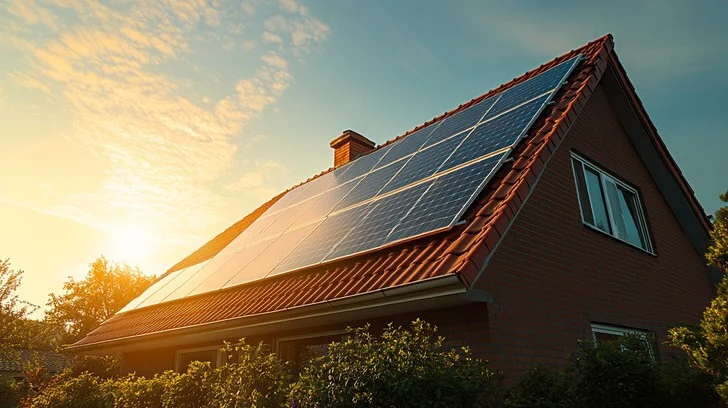
How many Solar Panels do i need?
How Many Solar Panels Do I Need? A Simple Guide For Scottish Homes
Thinking about Solar PV but unsure how many panels you will actually need? You are not alone. The right system size depends on how much electricity you use, how much clear roof space you have, and whether you want battery storage. In Scotland, a typical domestic system is around 5 kW, but that is only a starting point. This guide gives you a clear method to estimate your ideal size, explains the 20% roof rule in simple terms, and shows example setups for 2, 3 and 4 bedroom homes. We also touch on planning basics in Scotland and why an on site assessment is the best next step, from Dundee to Dumfries.
Book your Free in-home Survey Here!
Start with your goals and usage
Begin with your annual electricity use in kWh. You will find this on your bill or energy app. A rough guide:
- 2 bed flat or small house: 2,000 to 3,000 kWh per year
- 3 bed semi: 3,000 to 4,500 kWh per year
- 4 bed detached: 4,500 to 6,000+ kWh per year
You can convert usage to a system size. In Scotland, each 1 kW of well sited PV typically generates around 800 to 900 kWh per year depending on orientation, pitch and shading. For example, if you use 3,600 kWh a year, a 4 kW array could cover most of that on paper, though self consumption patterns matter.
What is the 20% roof rule for solar panels?
Think of the 20% rule as a roof planning sanity check. You reserve about 20% of each roof face for access paths, fixings and safety margins around ridges, verges, hips and roof windows. The remaining 80% is the practical area where panels might fit. This helps you avoid overestimating how many panels you can place when you sketch a layout.
A typical modern panel is about 1.8 m by 1.2 m, around 2.2 m² in area, and rated near 440 to 480 W. Once you subtract that 20% buffer on a given roof face, count how many rectangles of roughly 2 m² can fit without clashing with vents, chimneys or skylights. That gives a realistic panel count before a professional survey confirms roof structure and fixings.
Book your Free in-home Survey Here!
Orientation, pitch and shade, why they matter
- Orientation: South is best. East or west still works well and spreads generation into morning or evening, which can suit your lifestyle. North facing roofs usually underperform and may not be cost effective unless paired with east or west arrays.
- Pitch: Roofs around 25 to 45 degrees are near ideal for Scotland. Lower or higher pitches will still work, but yield shifts slightly.
- Shade: Chimneys, dormers, trees and nearby buildings can reduce output. Optimisers or micro inverters can help when shading is unavoidable, but layout choices often deliver the biggest gains. Some panels now come with self-optimising technology too.
Why a typical domestic system is around 5 kW
A 5 kW system balances roof space, budget and household demand for many Scottish homes. It fits on a modest south or east west roof, pairs well with a 5 to 10 kWh battery, and offers strong bill reductions without complex roof alterations. On roofs with ample area and minimal shade, 6 to 8 kW may suit larger families or homes with heat pumps or EVs. On compact terraces, 3 to 4 kW can be a great fit, however come with some red tape, requiring permission from the DNO(Distribution Network Operator) to exceed the maximum domestic system size.
Book your Free in-home Survey Here!
How many solar panels for a 3 bedroom house?
Here are simple, realistic examples using 420 W panels.
- 2 bedroom example, usage 2,400 to 3,000 kWh:
- Likely size: 3 to 4 kW
- Panel count: 8 to 10 panels
- Notes: East west orientation can smooth daytime use, and a small battery helps evening self consumption.
- 3 bedroom example, usage 3,000 to 4,500 kWh:
- Likely size: 4 to 5.5 kW
- Panel count: 10 to 13 panels
- Notes: This range suits most three bed semis. If your roof is split over front and back, a 50:50 east west array can be very effective.
- 4 bedroom example, usage 4,500 to 6,000+ kWh:
- Likely size: 5.5 to 7 kW
- Panel count: 13 to 17 panels
- Notes: Consider a larger battery if you have an EV or plan to shift more usage into evenings.
These examples assume decent orientation and manageable shade. Your exact number depends on your roof geometry and lifestyle patterns.
Battery storage, how it changes the equation
Battery storage lets you capture daytime surplus and use it in the evening and early morning. That means:
- You can lean toward a slightly larger array without worrying about daytime export limits, because the battery soaks up peaks.
- Your self consumption rises, which improves payback.
- With smart tariffs, you can charge the battery overnight at lower rates and discharge during peak times, even in winter.
Many Scottish homes pair 4 to 6 kW arrays with 5 to 10 kWh batteries. If you have an EV or work away during the day, a battery is a big help. The Greener Roof Co installs solar and batteries together and can advise on smart tariff settings and practical siting.
Book your Free in-home Survey Here!
Planning permission in Scotland, the basics
Most domestic, on roof solar in Scotland is classed as permitted development if it meets certain conditions, such as not protruding more than a set distance from the roof plane and not being the principal elevation in some conservation settings. In simple terms, many homes can add panels without a formal application, subject to rules on placement and listed status.
So, how many solar panels can you have without planning permission? There is no single national number of panels. It depends on meeting permitted development criteria for your property and area. Flats, listed buildings and conservation areas often have extra rules. Always check your council guidance. Our surveys include a quick planning sense check and advice.
Costs, what to expect in the UK and Scotland
Prices vary with roof complexity, kit choice and whether you add a battery. As a broad market guide:
- What is the average cost of installing solar panels in the UK? A common 4 to 5 kW on roof system often sits in the mid four figures to low five figures, depending on hardware and scaffolding needs.
- How much does it cost to install solar panels in Scotland? Similar to the UK average, with local labour and access affecting totals. Adding a 5 to 10 kWh battery will increase the price, but can improve savings and flexibility.
For firm figures suited to your home, request a free, no obligation estimate. Finance from 6.9% may be available, subject to status and confirmation during your estimate.
Book your Free in-home Survey Here!
A quick sizing checklist you can use today
- Confirm last 12 months of electricity use in kWh.
- Note your roof faces, pitch and any shade.
- Sketch panel rectangles on photos, then apply the 20% roof rule to keep margins clear.
- Decide if evening use is high enough to justify a battery, or if you want smart tariff charging.
- Aim for a practical size: many homes land between 4 and 6 kW.
Why choose a combined roofing and solar team
Solar PV relies on a sound roof and correct fixings. As a Glasgow based roofing and solar specialist, The Greener Roof Co surveys your roof fabric and solar design together. We install on roof systems, integrated options that sit flush during re roofing, and battery storage with app control and smart tariff optimisation. We cover Most of Mainland Scotland from Aberdeen to Dumfries, including Edinburgh, and provide free, no obligation estimates. Our high quality installations can carry long term guarantees, discussed at survey.
If you are comparing options in Scotland, it can help to speak with experienced solar panel installers edinburgh for a local perspective. You can also ask us about battery storage glasgow if you want to add storage now or later.
Book your Free in-home Survey Here!
Summary, your next step
- Most Scottish homes suit 4 to 6 kW, and 5 kW is a common sweet spot.
- Use your annual kWh and the 20% roof rule to estimate a realistic panel count.
- Orientation, pitch and shade influence yield. East west can work very well for daytime coverage.
- A battery increases self consumption, supports smart tariffs and improves evening use.
- Many homes can proceed under permitted development, but listed or conservation settings need extra checks.
Ready to find your exact number? Book a free on site assessment with The Greener Roof Co.
Book your Free in-home Survey Here!
We will confirm roof suitability, size your system, and provide a clear estimate for Solar PV, battery storage and any roof works required, from Aberdeen to Dumfries and across the central belt.
© 2025 The Greener Roof Co Website. All rights reserved.